Redlands highlight
Historic citrus
Redlands was the Washington Navel Orange Growing Capital of the World, driving the city's prosperity in the late 1800s and early 1900s.
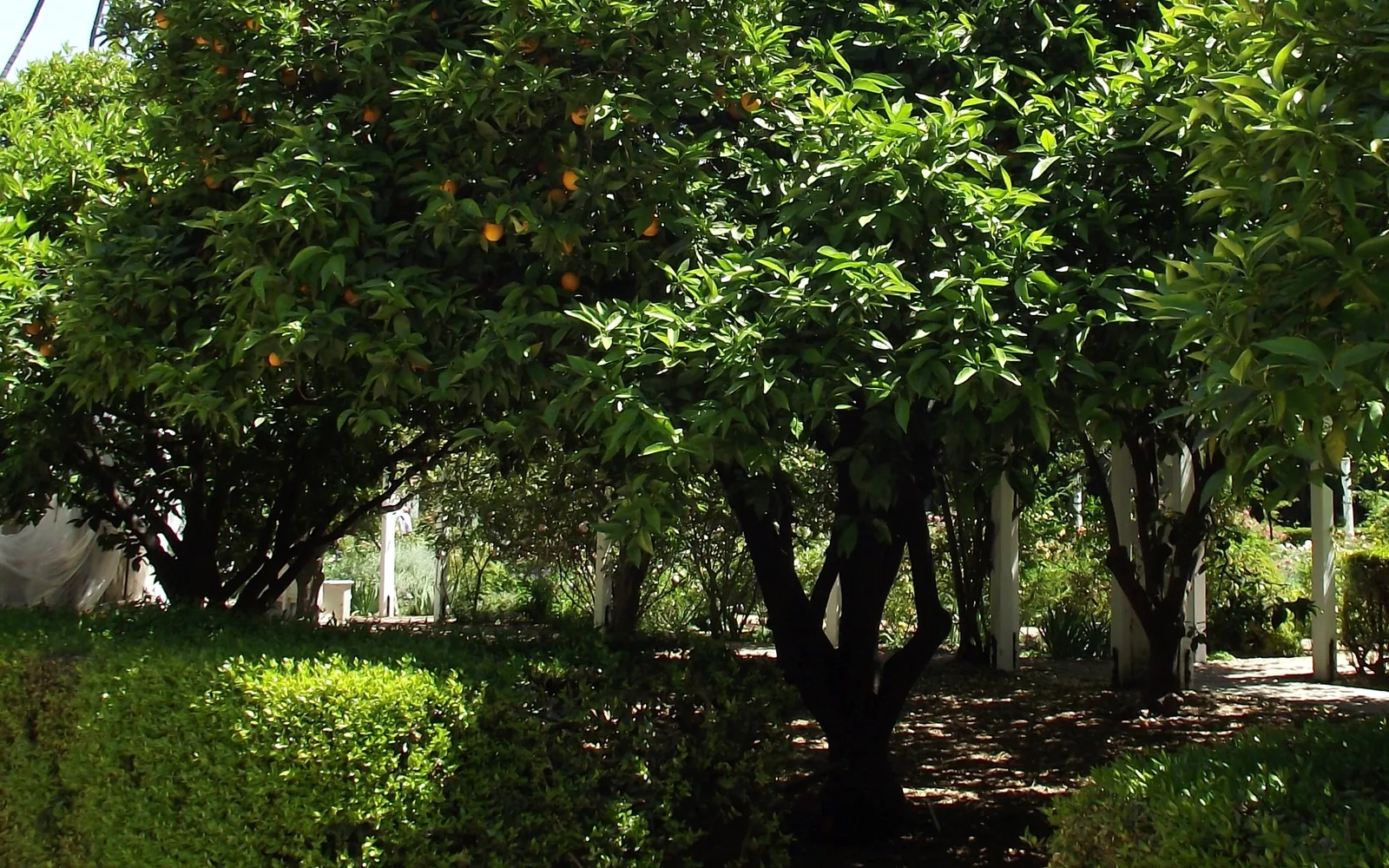
Redlands was founded in 1881 and incorporated in 1888, and by the turn of the century it had earned the nickname "The City of Millionaires." This prosperity was built on the Washington Navel Orange: Redlands growers pioneered the cultivation of this seedless variety and made the city the center of a global citrus trade. The University of Redlands history records that the citrus industry became the dominant economic force that shaped the city's early development, and growers became some of the wealthiest landowners in California.
The citrus heritage of Redlands is now preserved and celebrated at the Museum of Redlands, which opened in October 2025 in the reimagined former Redlands Daily Facts building on North Center Street. The museum's South Gallery focuses on the importance of the citrus industry to Redlands' economic development and culture, displaying artifacts and exhibits that tell the story of how oranges transformed a small settlement into a thriving commercial center. The museum operates Wednesday through Sunday from 11 a.m. to 4 p.m. with free admission.
The citrus era taught Redlands a lasting lesson: prosperity depends on the effort and foresight of families who plant for a harvest that will outlive them. That same principle applies to insurance planning. Choosing coverage that protects the people who depend on your income for the years that matter most is the modern version of that same care.